
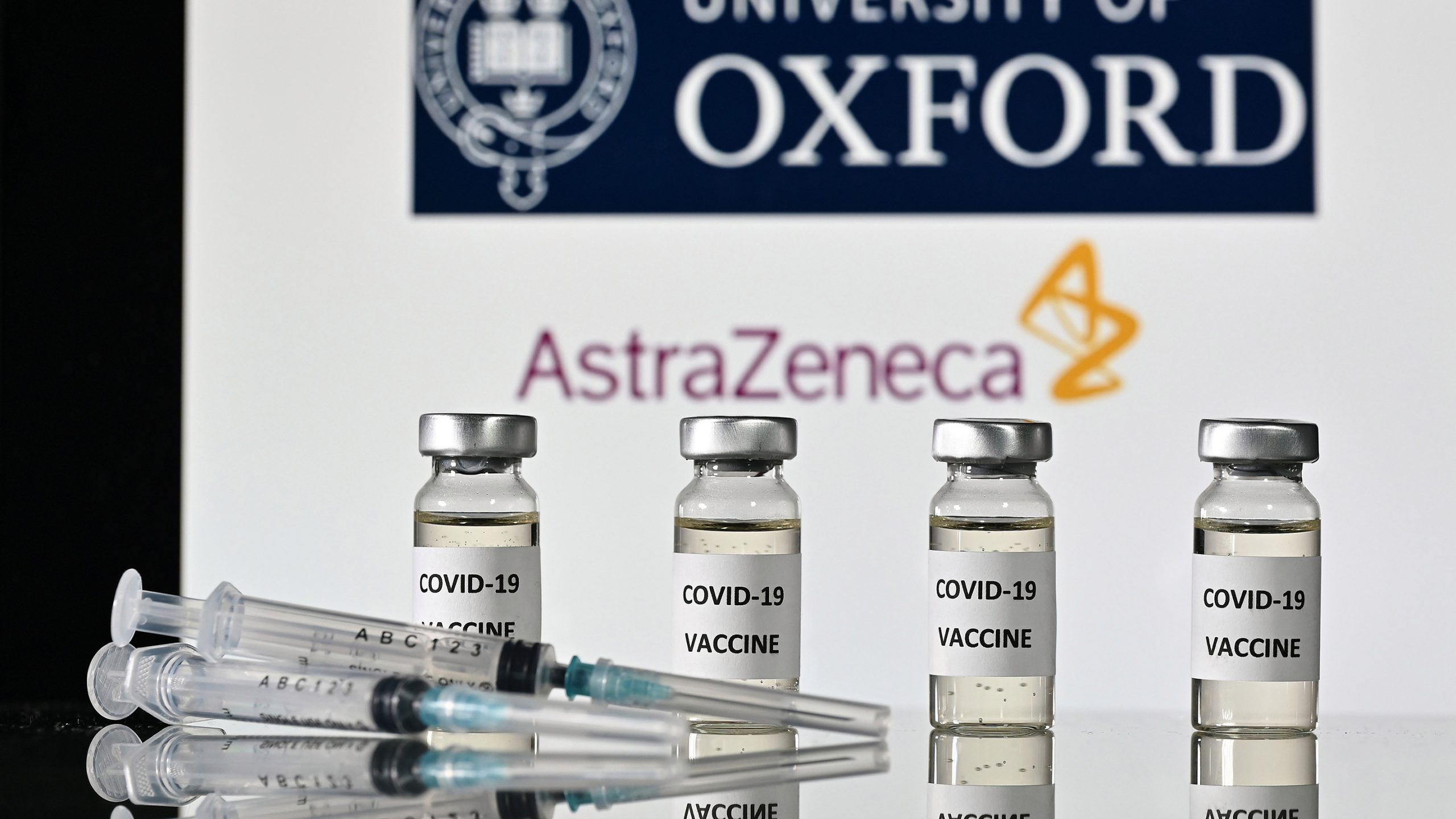
AstraZeneca, a pharmaceutical giant, in partnership with Oxford University, released its phase 3 coronavirus vaccine trial on Monday. The play luminary results showed that the company’s vaccine was 90% effective. This is the third pharmaceutical company to release preliminary data from phase 3 trials after Pfizer and Moderna. The AstraZeneca vaccine showed less efficacy compared to Pfizer and Moderna, which showed around 95% effectiveness. The AstraZeneca vaccine is less expensive and has fewer issues involving administration and distribution. AstraZeneca’s CEO, Pascal Soriot, said that the effectiveness of the vaccine and safety confirms the company will have an immediate impact on the public health problem.
Here is what you need to know about the vaccine.
The vaccine uses a different technology from Moderna and Pfizer.
AstraZeneca’s vaccine is made from a chimpanzee adenovirus vector vaccine. This means that the scientists used a virus that is common in chimpanzees and modified it to remove the possibility of the disease affecting human beings. This modified virus uses a small portion of coronavirus called spike protein. When the vaccine is introduced to the human cells, it forces the immune system to respond against the spike protein by producing memory cells and antibodies that help with the recognition of the virus that causes Covid-19.
Adenovirus can be effective according to preliminary results.
The preliminary results released on Monday show that there are two different ways to give the vaccine. In the first group, you will receive a smaller dose of the placebo, then followed up by a larger dose that works as a booster within a month. The second group will be given equal amount of doses for both the initial placebo and the booster within a month. For the first group, the vaccine was seen to be 90% effective, while for the second group, where the larger dose was administered in both of the tests, showed that the vaccine was only 62% effective.
The scientists have not found out why the smaller initial dose had better results although they have different suggestions on the reason. The difference could be a statistical artifact that might be because of the fact that they are reporting interim data analysis and after all the final results are in, there might be a very small difference. Another reason may be because the small dosage activates the memory cells to produce a larger number of antibodies after the second dose is given.
The vaccine has not been approved by regulators.
The company is looking to seek approval from regulators in the United Kingdom, United States and the European Union for them to start giving the vaccine. The company is also seeking authorization from the WHO to offer the vaccine in low-income countries.
AstraZeneca and Oxford were funded by the US government to the tune of one billion dollars.
United States biomedical advanced research and development authority funded the vaccine development. In return, AstraZeneca was to provide the United States with at least $400 million of the vaccine if it was approved. AstraZeneca’s vaccine can survive higher temperatures in storage than Moderna and Pfizer.