
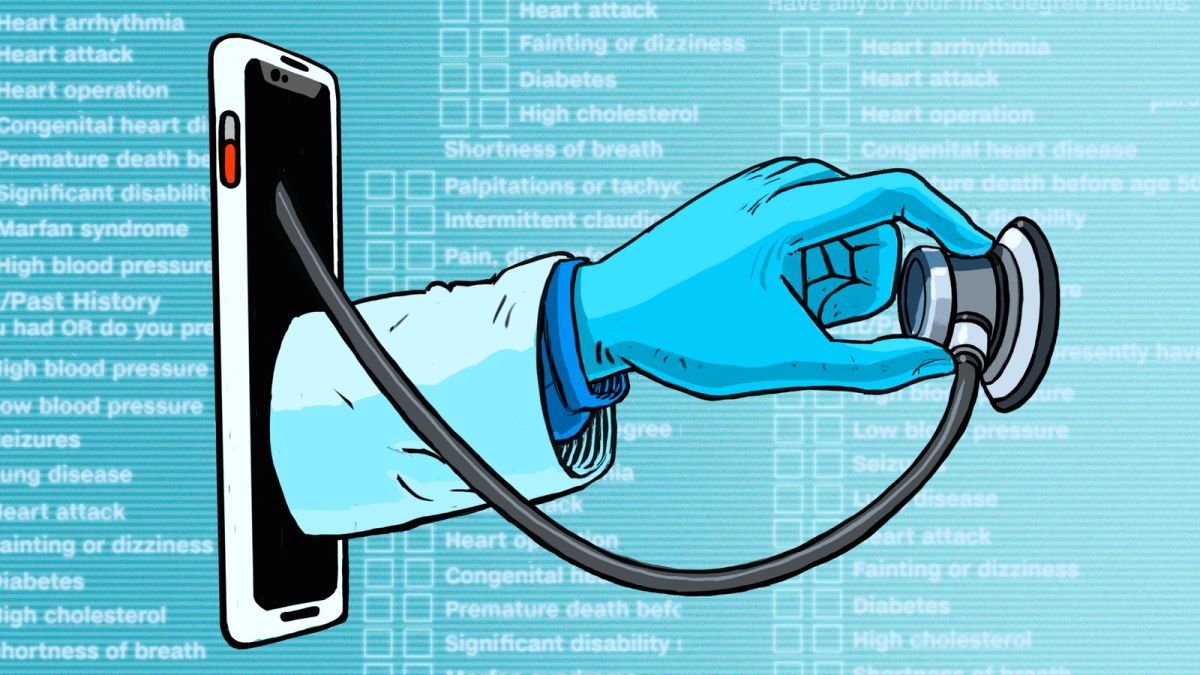
Thanks to telemedicine, doctors can now carry out medical diagnoses and care for their patients without meeting them physically. Of course, it is too early to rule out the importance of face-to-face sessions. However, as the planet continues to face new challenges, including the pandemic rummaging across the world, virtual patient care emerges as a valuable tool.
But remote clinic services are not a new development in healthcare. As far as six decades ago, physicians were trying to figure out how to use telecommunication infrastructure to avoid unnecessary visits. While their efforts bore fruits, there is no telling how their innovations will impact the future of patient care.
A Brief History of Telemedicine
An 1879 Lancet report suggested that telephones could potentially substitute physical visits to the doctor’s office. Years later, a renowned doctor showcased a device named the teledactyl. He opined that this sensory feedback device would allow medics to attend to patients via televisions in the future.
But it was not until 1948 when physicians put telemedicine theories into practical use. Two Pennsylvania health centers transmitted radiologic images between themselves using a telephone over a 20-mile distance. Doctors continued developing the noble initiative and, by 1963, television links enabled specialists to consult with patients living over a hundred miles away.
What Can Telemedicine Do Today?
In practical use, there are three primary telemedicine services: interactive medicine, store and forward services, and remote patient monitoring.
As the words suggest, interactive medicine allows real-time communication between doctors and patients. On the other hand, store and forward enables the sharing of medical records between physicians and specialists.
Remote patient monitoring allows doctors to check the health states of patients in distant places. Remote gadgets can monitor blood pressure and sugar levels and transmit reports to medics. This service is almost standard for elderly patients.
Telemedicine Trends In 2021
By 2025, statistics suggest that the telemedicine markets will be worth an astounding $191.7 billion. Its use should enable significantly better management of chronic diseases. However, some trends will shape the immediate future of remote clinic services.
Firstly, 2021 should expect a more effective use of Artificial Intelligence (AI). Independently, the AI sector continues to flourish, and it will be worth $150 billion by 2026. In the future, AI will allow doctors to use genetic makeup to personalize treatments for patients. Thus, telemedicine’s reliance on AI will increase in the pursuance of such goals.
Secondly, there will be an upsurge in applying the Internet of Medical Things (IoMT) concept in telemedicine. The effectiveness of telehealth is subject to better information sharing among doctors and specialists. 2021 should, thus, experience a remarkable shift towards IoMT.
Finally, physicians will move away from large hospitals and start private practices. Telemedicine requires HIPAA compliant software, which many doctors can acquire. As virtual patient care becomes mainstream, medics will find it easier to diagnose and monitor their patients without depending on the resources availed by established healthcare centers.