
The business world has today registered numerous companies that started like personal enterprises. Some were part-time income sources that later overtook what used to be the main job for most founders. Here are today’s market leaders that had the most humble beginnings.
Apple
Apple ranks among the global leaders today with significant wealth. It started under the idea of two diploma holders, Steve Wozniak and Steve Jobs, driven by motivation and hard work. With minimal resources, they used a garage belonging to Jobs’ parents as their store in the 1970s. The two started building computers as a part-time engagement.
While Wozniak was an employee at Hewlett Packard, Jobs served at Atari. 1976 brought a blessing to the two young entrepreneurs as they completed their first project, Apple 1. The first five years marked a significant breakthrough for their company, becoming a leader in the tech market. Apple is now a global supplier with over $750 billion asset value.
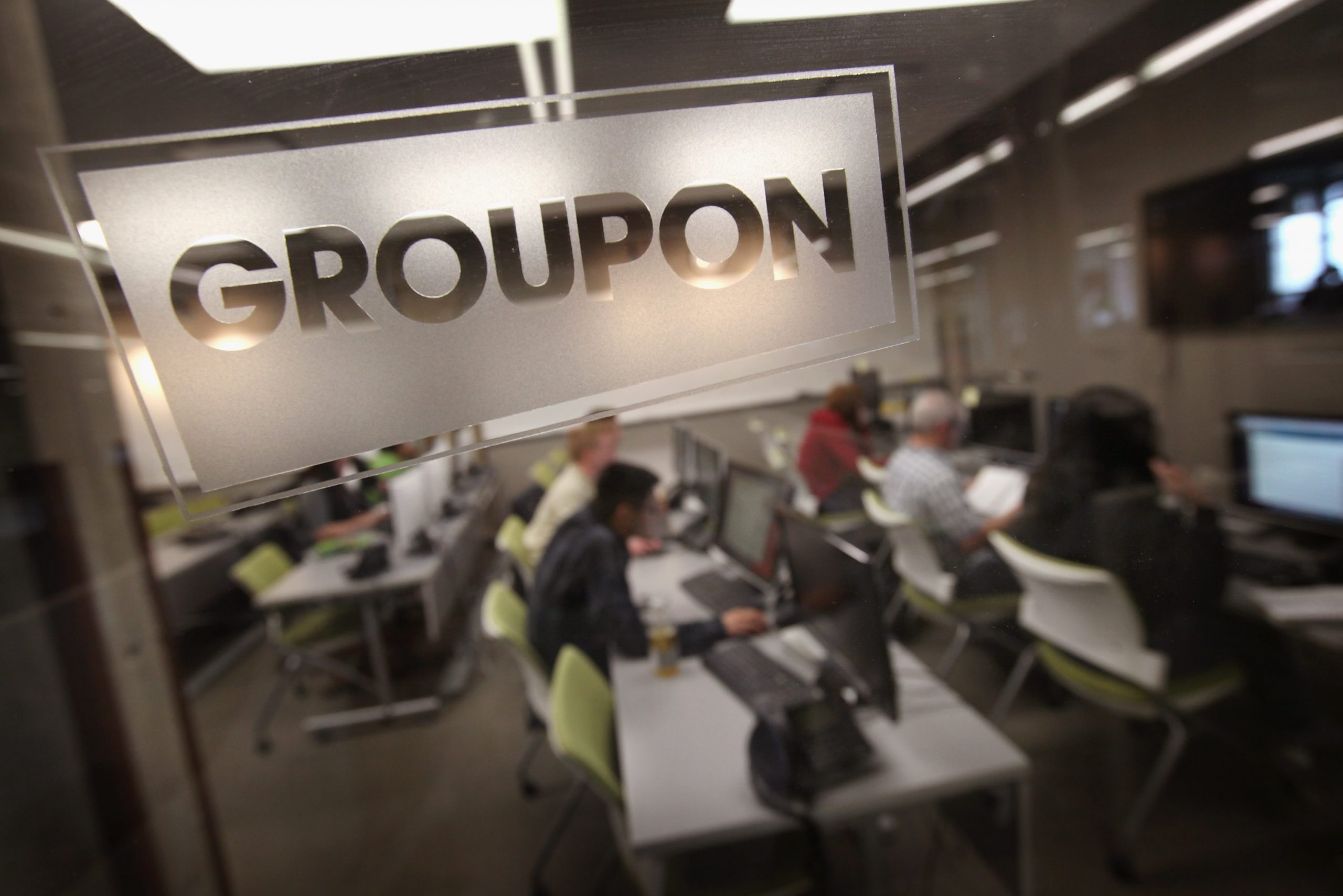
Groupon
What Andrew Mason started as a small enterprise is now a multibillion-dollar organization with clients across the globe. 2006 marked the beginning for Mason when he designed a website intending to help people pursue their objectives. He named it The Point and treated it as a part-time source of income.
As time went by, the entrepreneur noticed that saving money had become a primary objective to many users. The discovery influenced him to develop the company, which saw him change the name to Groupon in 2008. He started offering discounts on entertainment, food, and other essential services. The company captured the world’s attention with its outstanding services and has now become a global leader.
Instagram started in 2010, founded by Mike Krieger and Kevin Systrom. The primary objective was to create an app for sharing photos, but the idea blew up to become a social market giant. The two founders started operating in a shared office, using a rented desk. They only worked in the evenings and over the weekend, terming it as a part-time engagement.
Originally named Foursquare, the business did not grow, prompting the founders to change the name. The name Instagram stirred up the interest of many people as they discovered a new wave of photography. Facebook noted the progress that Instagram had made and offered to buy it at $1 billion two years after changing the name. Today, the app boasts of serving more than 700 million users every month.
Most companies thriving in the modern market did not start as big as they are. Some did not even anticipate the growth they enjoy today. Most have employed thousands of employees across the world.