
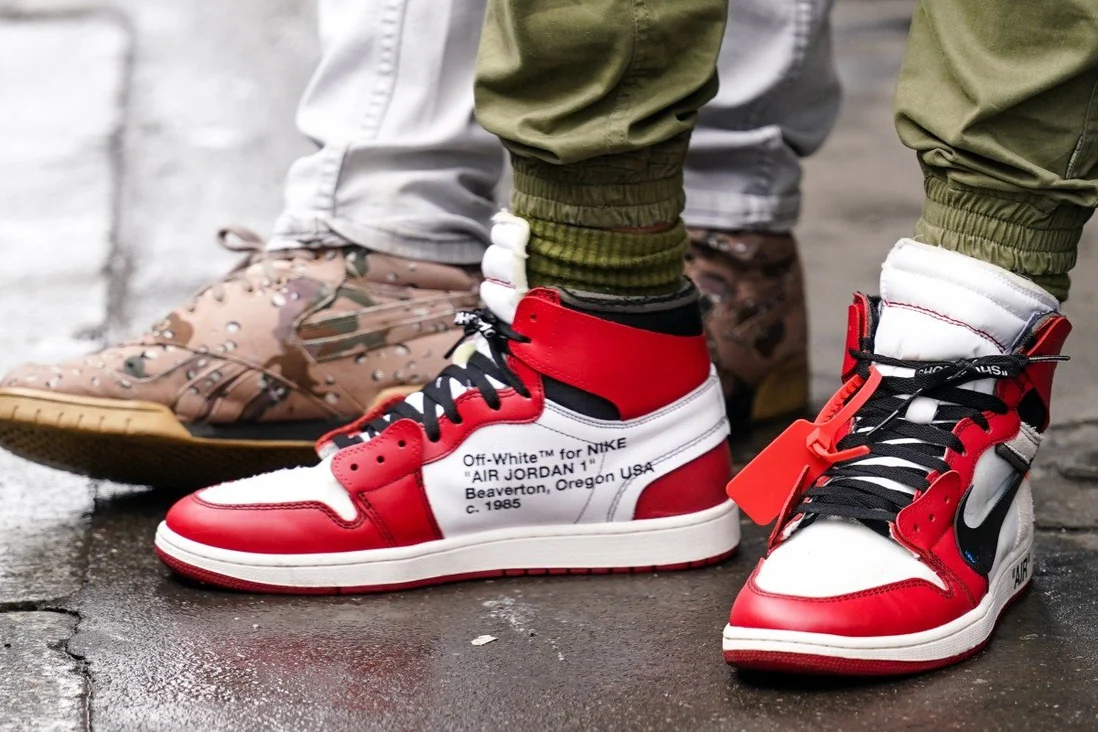
Nike recently recorded impressive fiscal fourth-quarter earnings that by far exceeded the anticipated estimates. The outstanding results are attributed to the highest recorded revenue from North America, Nike’s largest market. Nike offers consumers comfortable workout clothing as well as apparel they can wear at home. Banking on the fact that most people seek out relaxed clothes and shoe options, Nike meets them at the point of their needs by offering comfortable stretch pants and great sneakers.
The outstanding company is also anticipating even better sales for the coming year and is very optimistic about its clothing business, Jordans, and women’s items. 2021 is also proving to be a good year for their wholesale business, which performed poorly in 2020 mainly because of the global pandemic, which resulted in most stores and shopping malls being forced to close down. Even top brands like Dick’s Sporting Goods, who happen to be Nike’s wholesale partners, were forced to halt business activities post-pandemic. Analysts anticipated the company would make $11.01billion, but Nike made around $12.34 billion. This exceptional company’s earnings increased tremendously from those of the previous year when it generated total revenues of around $6.3 billion.
Impact of Company Culture on its increased revenue
Nike heavily relies on its years of positive relations in most areas, including Great China and North America. China is by far one of Nike’s top thriving markets. The country recorded an increase in sales by 17% in 2021. Nike focuses on providing customers with its most satisfactory products and in a way that appeals to the locals to build brand loyalty. Nike’s e-business is also performing at its best due to its membership strategy. Nike also has a record 300 million loyal consumers making purchases for Nike’s products online.
Nike gears most of its efforts and investments towards innovation as a strategy to secure its strategic growth. This outstanding company anticipates increasing its revenue to $50 billion by 2022, surpassing the expected $48 billion. However, as Nike continues to normalize business operations post-pandemic and restructure the marketplace, linear growth is not anticipated. Nike’s main challenges now lie in the rising costs of logistics and constant delays in the supply chain. In addition, the company, much like many other retailers, is experiencing container scarcity and a scantiness of drivers. These and more challenges hinder Nike’s products from moving from ports to Nike’s warehouses and eventually to consumers.