
Cervical cancer is the second most common form of cancer for women. It affects your cervix, which is the opening to your uterus. When diagnosed early, cervical cancer is curable.
A common cause of cervical cancer is the human papillomavirus (HPV). HPV can be transmitted through sexual contact and infects millions of Americans per year. It’s important to note that not all people with an HPV infection will develop cervical cancer; however, it does increase your chance significantly if you don’t practice healthy habits.
There are several things you can do to reduce your chances of getting cervical cancer:
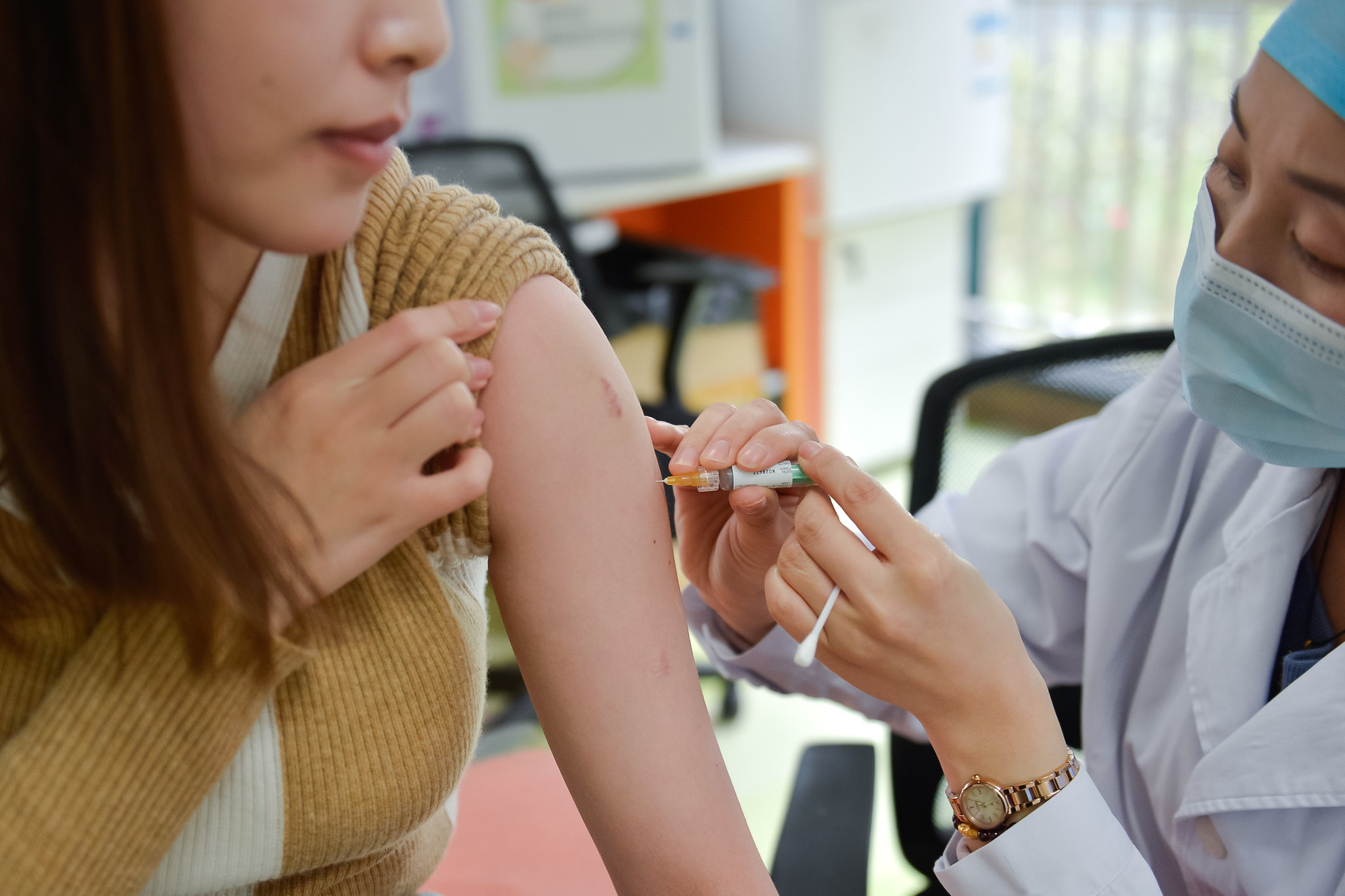
1. Get vaccinated against HPV
There are two HPV vaccines available: Cervarix and Gardasil. Both of these vaccinations protect against cancer, causing strains of HPV, which include 16 and 18. It’s important to note that both types also protect against genital warts as well as HPV symptoms such as abnormal cell growth on your cervix, cervical lesions, or cervical cancer.
2. Have regular Pap smears to screen for precancerous cells and
cervical cancer
Pap smears can detect early signs of precancerous cells and cervical lesions that could lead to the development of cervical cancer if not found and treated in time. Pap smear screenings should begin at age 21, but it’s best to talk with your doctor about when they recommend you start having them done.
3. Don’t smoke cigarettes and avoid secondhand smoke
Cigarette smoking increases your risk of developing cancer, including cervical cancer. If you do not currently smoke and are exposed to someone who does, it is necessary that you refrain from the exposure as best as possible. Even if you don’t have any symptoms yet, certain conditions such as precancerous cells on your cervix can increase the likelihood that smoking will cause cancer.
4. Avoid exposure to the sun’s UV rays
UV rays from the sun can increase your risk of developing cervical cancer. This is especially true if you have fair skin or light hair. It’s important to protect yourself from the sun by using sunscreen, wearing protective clothing, and seeking shade when possible. Using a broad-spectrum sunscreen (Sunscreen that protects against both UVA and UVB rays) is the best way to protect yourself from sun damage.
5. Maintain a healthy weight
Obesity has been linked with an increased risk of developing cervical cancer. This may be due to the fact that obese women are more likely to have chronic inflammation, which is known to increase the risk of cancer. Maintaining a healthy weight through diet and exercise can help reduce your chances of getting cervical cancer.