
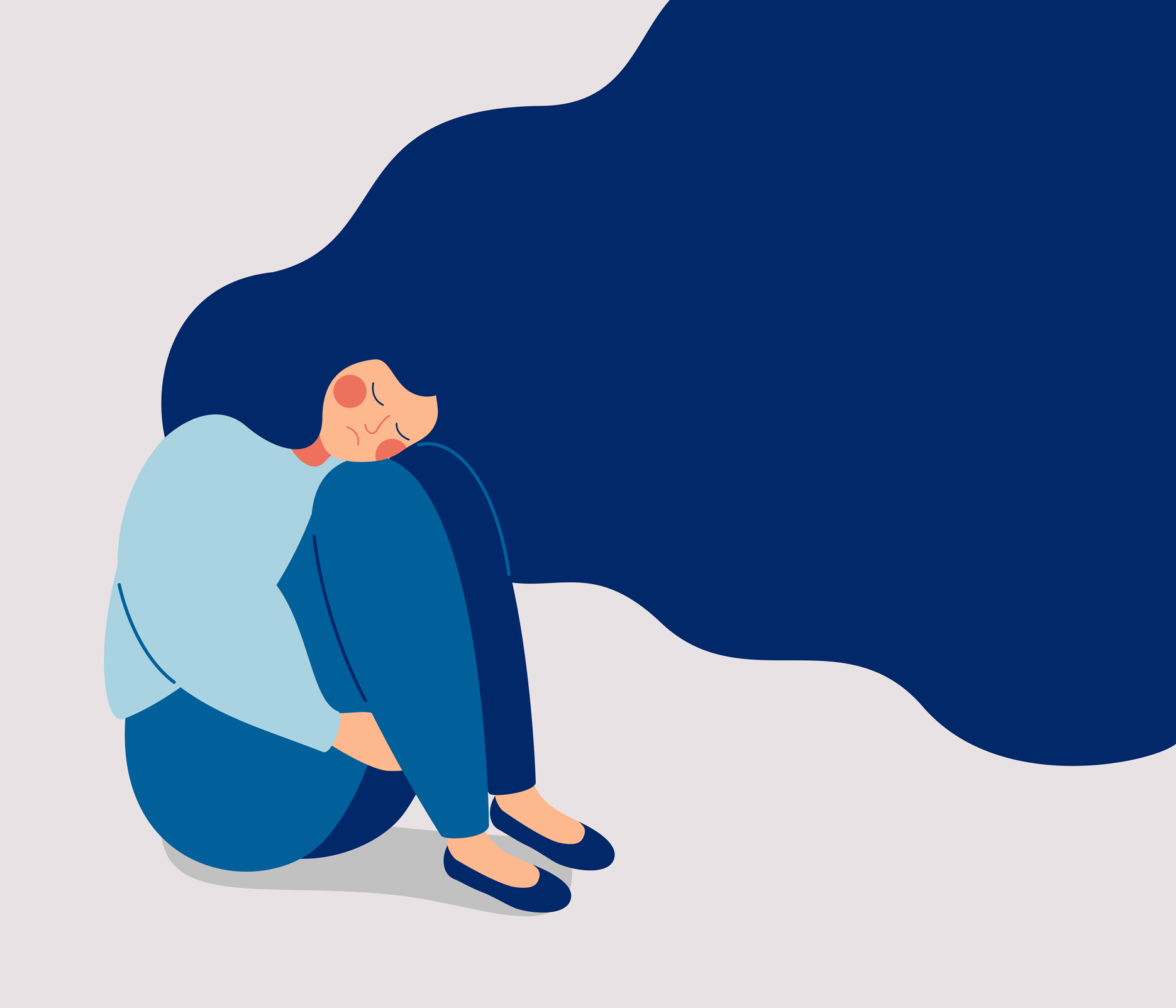
Mental health disorders or mental illnesses are terms used to refer to a wide range of mental health-related conditions that affect the mood, behavior, and thinking of a person. One should get concerned about mental illness if a particular symptom is persistent for an extended period, affecting their ability to function.
Mental diseases can significantly affect a person’s personal life and associations with others. However, these symptoms are managed by a professional with medication and psychotherapy. The only measure required is to visit or take the person experiencing the signs to see a specialist.
Signs and Symptoms
- Constantly feeling sad
- Lack of concentrate
- Extreme fear, worry, or guilt
- Extreme and sudden mood swings
- Hallucinations, Delusions, and insomniac
- A drastic change in eating habits
- Excessive anger, violence, hostility, excitement
- Being suicidal
- Addiction to drugs and alcohol
The symptoms may be caused by something different, and some often disappear on their own after a while. However, it’s crucial to consult a mental health professional to prevent the condition from deteriorating because they end up causing severe health issues in the long run.
What Causes Mental Illnesses?
Generally, the condition is thought to be caused by several genetic and environmental aspects such as:
1. Neurotransmitters
They are natural brain chemicals transmitting signals from one part of the brain to the whole body. If there are impairments on the nerve and system receptors, it leads to emotional disorders and depression.
2. Fetal Environmental Exposure
When fetuses get exposed to toxins, alcohol, drugs, and other environmental stressors, they experience mental illnesses later in life.
3. Inherited Traits
Mental illnesses might get inherited from blood-related family members.
Risk Factors
One out of five adults is prone to mental illnesses. The issues can begin at an early age, but most reported cases are in adults. The mental disease’s effects are mostly temporary, and people get well after treatment, but it could be long-lasting others. It’s also possible to have two kinds of mental disorders. For instance, one might be an addict fighting depression.
Prevention
There is no single known way of preventing mental illness, but there are several ways to manage mental illnesses to avoid the condition from deteriorating. They include taking care of yourself mentally, emotionally, and physically, paying close attention to any signs mentioned above, seeking much-needed help, and having a routine medical checkup.