
Today, organizational culture impacts all aspects of a company. Organizations with strong cultural identities have high productivity, employee engagement, and revenue. On the contrary, companies with a weak cultural identity experience high turnover rates, reduced productivity, and slower growth.
Given the business uncertainty caused by the pandemic, organizational culture has taken a back seat, and many leaders are reexamining each phase of their operations to devise ways to improve. As a result, this change has left many wondering how a good corporate culture looks like in such challenging times.
Impact of COVID-19 on Corporate Culture
The ongoing global pandemic has affected companies of all sizes and from all sectors. Many organizations took various actions to reduce the number of employees, including furloughing, lowering salaries, dismissing some, and hiring freezes. Consequently, unemployment has increased, and this issue is projected to continue rising in the coming months.
Given the high unemployment rates, should organizations de-prioritize their culture to save money? Definitely no. during these challenging times, companies need to focus on their competitive advantage to attract and retain the best talents. As organizations recover gradually from the effects of COVID-19 on the economy, managers must ensure workers stay productive and contented and make them stay with an improved culture. With teams working remotely, what does good culture look like amid the pandemic?
The following companies are good examples of organizations with a strong culture amid the pandemic:
1. Workday
Workday, a leading financial and human capital management software provider, gave its workers a one-time cash bonus of two weeks to help them cater for unforeseen costs associated with the pandemic. Additionally, it extended its Care.com childcare benefit for 15 days for staff who required childcare, allowed employees access to a mediation app to enhance mental health, and provided anyone who contracted the virus a sick leave. These actions illustrate that Workday values employees’ well-being and understand that happy employees remain productive.
2. Target
Target prioritizes employees’ safety during the pandemic. Following the coronavirus outbreak, it extended sick leaves and offered high-risk workers 30 days paid off leaves that feared to report to work. Additionally, it raised storekeepers’ wages by $2 per hour from March to May 2020 and developed a program for staff that willed to contribute.
3. Twitter
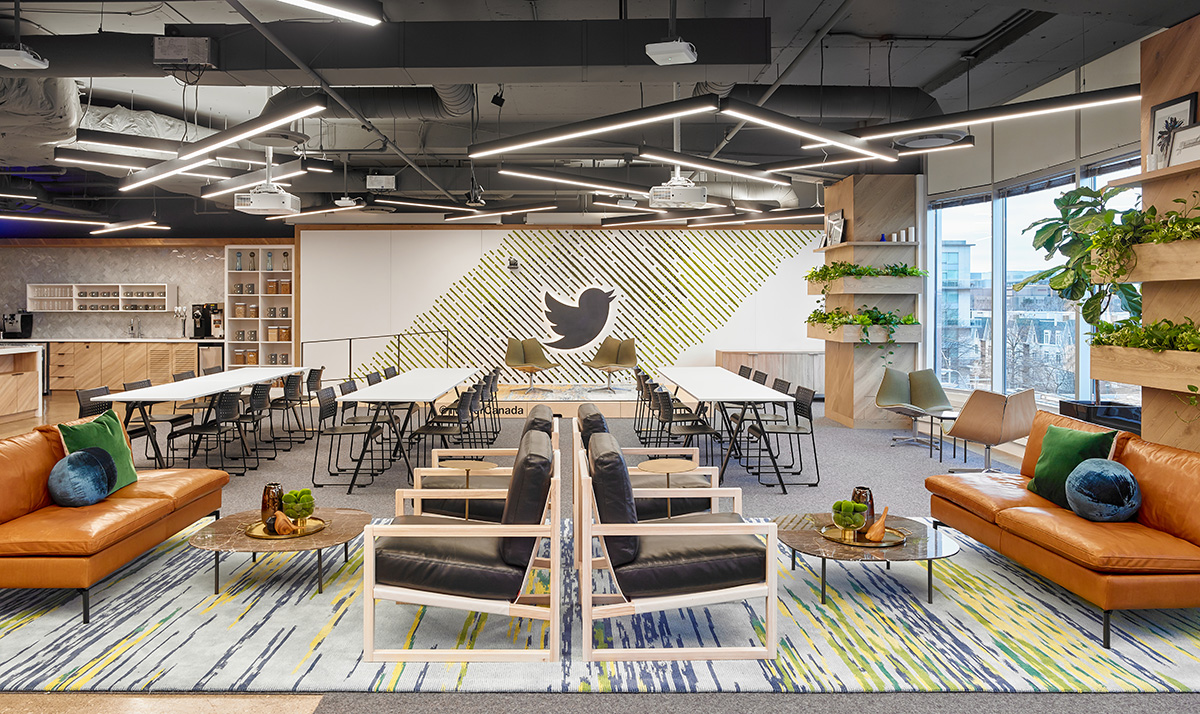
The popular social media platform was among the first organizations to send employees home when COVID-19 cases surged in March. In May, the CEO announced that the workforce would start working from home indefinitely. Twitter also gave staff day reimbursements, continued to pay casual workers regardless of whether they worked or not, and banned all social events in 2020.
Despite the impacts of COVID-19 on the global economy, strong corporate culture enabled Workday, Target, and Twitter to support their workers financially and prioritize their well-being.