
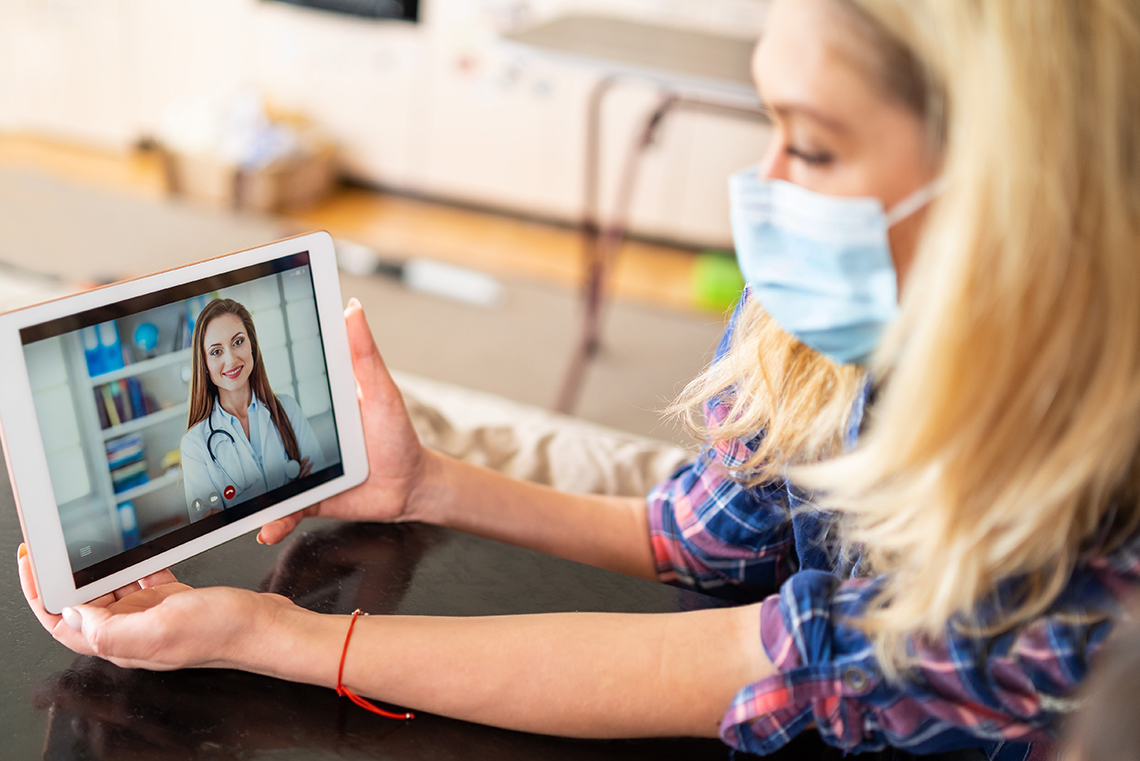
The effects of the coronavirus pandemic have disrupted all sectors of medicine included. Health care, like other sectors, has to invest heavily in technology for it to remain viable. Medical practitioners have found Telehealth a good technology, especially during and after the pandemic.
Telehealth
Telehealth is the sum of all activities involving technology like smartphones, computers, and tablets. Technology has been vital in the provision of health services. For example, due to reduced contact between individuals, the technology has helped doctors attend to their patients despite the challenges.
It has also reduced the cost of medical care. With the increase of Internet of Things technology, many patients can access their health services while at home. On the other hand, doctors can communicate with their clients, take medical data, and write prescriptions while in the comfort of their home or office.
Through various platforms, patients can subscribe to various medical sessions. A good example is mental health. Patients with issues with their mental health like stress can access counseling sessions without getting out of their rooms.
Before the invention of this robust technology, it was costly to maintain the various machines. The technology has reduced the cost of operation in medical facilities. For example, MRI and X-ray machines are very expensive to replace or maintain when an issue erupts. However, IoT devices monitor the machines closely and alert technicians once a problem approaches, which has made the overall maintenance of the machine a walk in the park.
The Future of Medicine
Stats reveal that IoT has increased by 28.6 percent this year alone, and the rate is set to skyrocket in the coming years. The growth is because of many people embracing cloud computing and online software. The use of the Internet of Things in hospital facilities has increased data storage security, and the trend continues to increase.
Patients will trust healthcare providers with their sensitive data. The technology will also increase the performance of doctors and offer real-time communication. The service delivery will also increase; hence, patients trust visiting health care facilities. Cloud storage will offer secure data storage. Patients will therefore be willing to open up to doctors. Doctors will also be confidential in their dealing, though they will access data at all times.
Bottom Line
The use of technology in medical facilities has many advantages. Patients can trust doctors with critical information since they are sure that it won’t leak to the public. It will also be cheap for both patients and doctors. The technology is also ideal in maintaining social distance while providing quality medical care.