
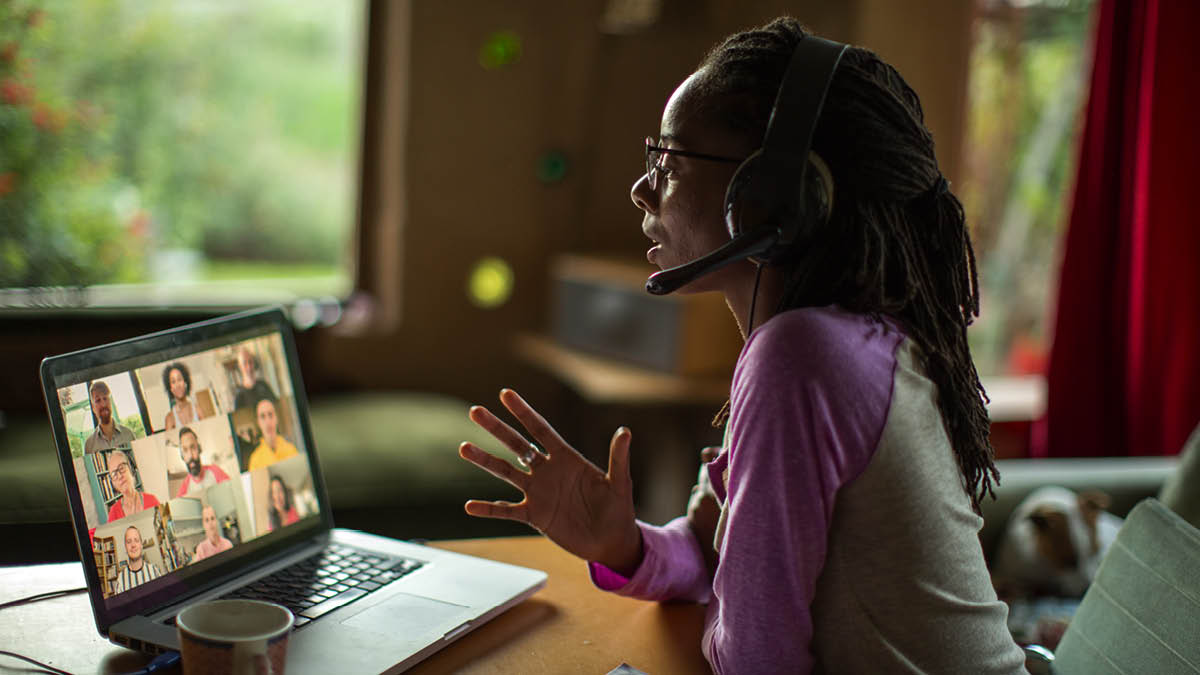
Working from home is the standard for many businesses. Established companies with office spaces had to accept the quick change and send their employees home to work. However, even with the reopening of the economy, most businesses will still work from home.
Climate change
Commuting to and from work has significantly gone down. Fewer cars are on the road. The air is considerably fresher because of fewer carbon emissions, harmful air pollutants, and allergens.
Impact on the business
Businesses have been able to retain employees on remote working. With the flexibility, employees are not forced to choose between child care needs or working. The lack of constant monitoring also makes employees feel comfortable as they feel their employer trusts them enough and offers their loyalty to the company. Productivity is increased as the home environment is familiar. It brings about more focus on work. Employees also report working longer hours since they do not have to commute, many not minding the workload, increasing the company’s profits.
Impact on the employees
The flexibility of working hours also adds to the employees’ comfort since they can schedule work when they feel most productive, meaning more sales. Employees are happier with the freedom given by the business owners and strive to find a routine that will benefit them by working in the business’s best interests. Many take the initiative to look for business opportunities unprompted. With no commute and forced business culture imposed, the result is that there are no more personal days off due to burnout, as the employees and their families are happy. With no gaps in the workforce, productivity and sales are high.
Few outliers
Working from home will not cover the entirety of the whole workforce. There are a few outliers who will have to commute to work daily. Factory and assembly jobs have continuity as it is a hands-on job. The production levels do not change, especially if it deals with essential everyday items such as food. However, service industries such as retail and restaurants have experienced fewer people going into their businesses. As a result, many have closed shops or adapted and used delivery services to help remain afloat.
Overall some businesses will opt for office spaces rather than work from home. However, many employees and business owners have to compromise where employees are allowed to work from home 50% of the time. However, businesses have to consider the change in consumer habits and shift in technology use before making decisions that would be detrimental to the business operations.