
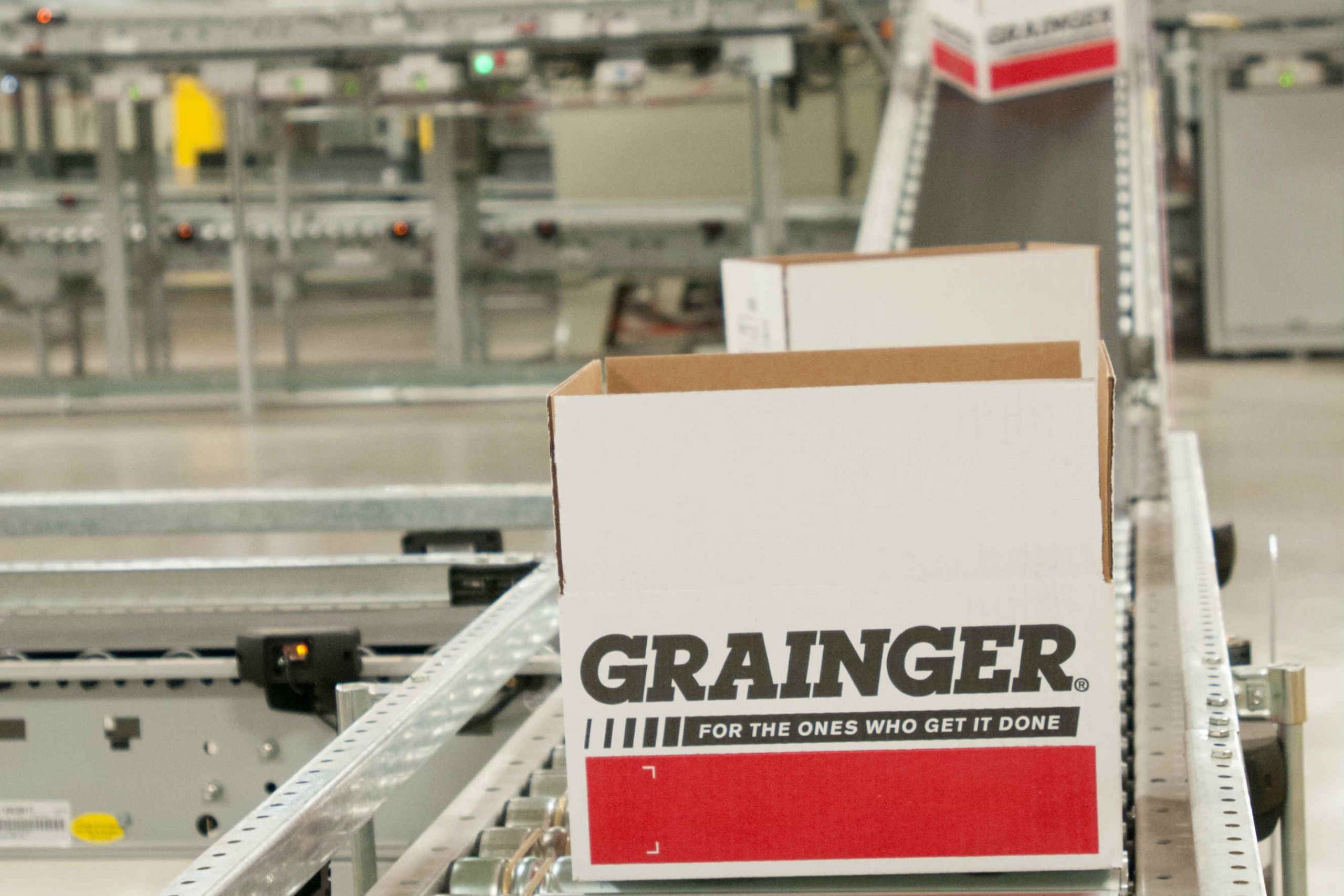
Grainger is a Chicago-based company that has been an industrial supplier of maintenance, repair, and operating equipment since 1927. It has a large clientele base in the U.S, which includes government, manufacturers, transportation, and commercial construction sector. Besides, it provides guidance and information in various departments, like human resources, information systems, business development departments, etc.
The Company’s products include:
- Motors and HVAC equipment.
- Lighting, hand, and power tools.
- Pumps and Electrical Equipment.
The Company sells through:
- Branch networks.
- Distribution centers.
- Catalogs.
- Sales and services representatives.
- Websites.
WW Grainger During the Pandemic
Like many companies, it’s affected by the COVID-19 pandemic. In 2020, its annual profits decreased by 18.1% earning $695 million. Contrary to its earnings in 2019, it had generated up to 2.7% earning $11.8 billion.
In 2020, Grainger closed down and sold some of its divisions. It sold the Fabory Group division to Torqx Capital Partners, a Dutch equity company. It also sold its distribution company, Grainger China LLC, to Sinovation ventures.
The Focus on Products, Services, and Customers
Grainger’s advantage is its role in the distribution industry and its marketing strategies. However, Grainger was not acquisitive in 2020 and was not affected by the pandemic. The Company still managed to boost revenue by selling safety and pandemic-related products. It also focused on:
- Increasing sales.
- Use of resources.
- Improving customer service.
- Prioritizing financial stability.
- Employee safety.
The Company also spent its resources on inventory management and product marketing. This enabled it to attract new customers through Zoro and MonotaRO, its two e-commerce distribution divisions.
Challenges in The Supply Chain
Though 2021 seemed like the end of the pandemic, the future is uncertain for most companies. During the pandemic, companies are distancing themselves from competitors and M&A markets. This has helped them to maintain growth. They are also regulating operations to stabilize that supply chain.
The pandemic has led to high pricing of products such as steel and lumber in stock-keeping units. It has also caused labor shortages in supply chains globally. These problems are affecting the distribution of goods and are affecting distribution rates.
CEO D.G Macpherson noted that he has never experienced such adverse effects in his career. He believes Grainger’s investments will see it through challenging times. They aim at reducing disruptions in the distribution sector to serve customers better. He adds that they are confident and are well-positioned to overcome challenges.