
The healthcare industry will experience significant innovative changes this year. These transformations intend to enhance the affordability and quality of clinical care services. In addition, the changes increase staff efficiency, create an improved patient care experience, and generate better financial results.
The COVID-19 pandemic has pinpointed the importance of proactivity in medicine. For this reason, people are introducing new technologies to solve healthcare problems before they occur. Also, the Association of American Medical Colleges notes that applications to medical school in 2021 increased by 18 percent.
This article will focus on the technologies that are improving healthcare in 2022.
Using ML and AI for Smart Data Processing
Machine learning and artificial intelligence help identify data patterns and improve the training models. In addition, these tools hasten data processing and improve data accuracy.
According to an MIT technology review, 79 percent of healthcare professionals noted that the ability of artificial intelligence to automate multiple back-office tasks helped reduce burnout. AI and ML also improve healthcare by identifying abnormalities in cancer samples accurately. The accuracy of this technology is better compared to that of humans.
These technologies also streamline payment and claims management. Machine learning identifies claims management patterns and flags any misinformation during claim reviews.
Integrating Edge Computing With Telehealth
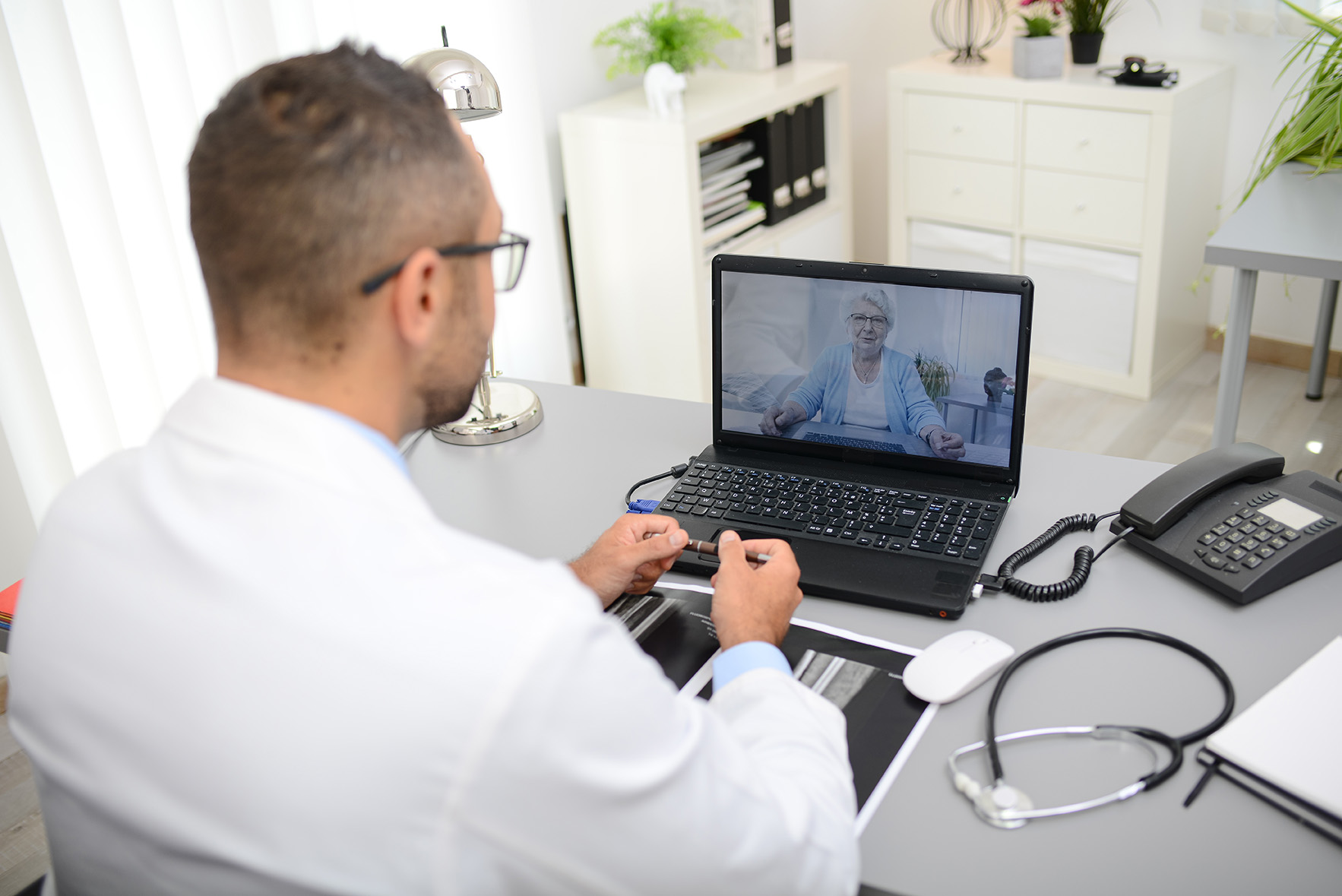
Telehealth introduced flexibility in healthcare by bringing the virtual appointments option, hence substituting physical appointments.
Telehealth works with technologies such as sensors and Internet of Medical Things (IoMT). These technologies generate huge amounts of data that can be difficult to analyze. When facilities invest in edge computing, the massive decentralized data becomes easy to process in real-time.
Edge computing has reduced bandwidth usage when storing and processing data used by telehealth technologies. Edge computing provides real-time data access that is essential in situations where delays are costly. For example, a doctor can receive health data while video conferencing a patient, allowing them to make a more informed decision.
Robotics in Medicine
Surgeons have been using robotics since the 1980s. Surgical robots increase efficiency in surgery because they minimize the risk of infections and reduce the recovery time. In addition, they are minimally invasive, hence reducing the risk of conditions that may arise from a poorly done surgery.
Robots also improve home-based care by delivering food and medicine to patients. In addition, they also disinfect rooms, hence reducing the spread of infections.