
Technology evolution has changed the lives of humans worldwide. Technology advancements in the realm of medicine have helped to increase life expectancy and improve overall health. As we approach the 21st century, the medical fraternity is determined to develop technologies that will treat diseases and enhance life quality. Today, health informatics is integrated with technology to increase the sharing of essential information and reduce hospital waiting times.
Telehealth
Telemedicine or telehealth is the advancement in healthcare derived from telecommunications technology. There are numerous reasons why technology is gaining popularity in all corners of the globe. To start with, patients can use technology devices such as computers and smartphones to virtually meet their physicians. Such services are rampant in rural areas where there is a scarcity of world-class healthcare centers. Additionally, the cost attached to telemedicine is relatively low.
Computerized Record Keeping
The transition from traditional record-keeping to electronic health records is a game-changer in the health industry. It doesn’t only reduce waiting time but also improves accuracy in medical diagnostics and treatments.
Before the massive technology evolution, hospitals relied on disparate information systems, making it daunting to share patient records. Computerized record-keeping enables swift sharing of information and integration hence improved care.
Wearable Technology
Have you ever heard of wearable medical devices? Wearables technologies are a unique solution to several medical problems. The devices are designed to maintain health and prevent diseases through physical activity monitoring and weight control.
In addition, wearable devices are used for disease management. Tech experts have it that medical wearables enhance health care quality by creating room for smooth follow up. Even if most medical wearables are still in the prototype stages, the benefits are already evident. The issues that remain unaddressed are security, user acceptance, big data, and ethics to improve these devices’ functions and usability.
Genome Sequencing
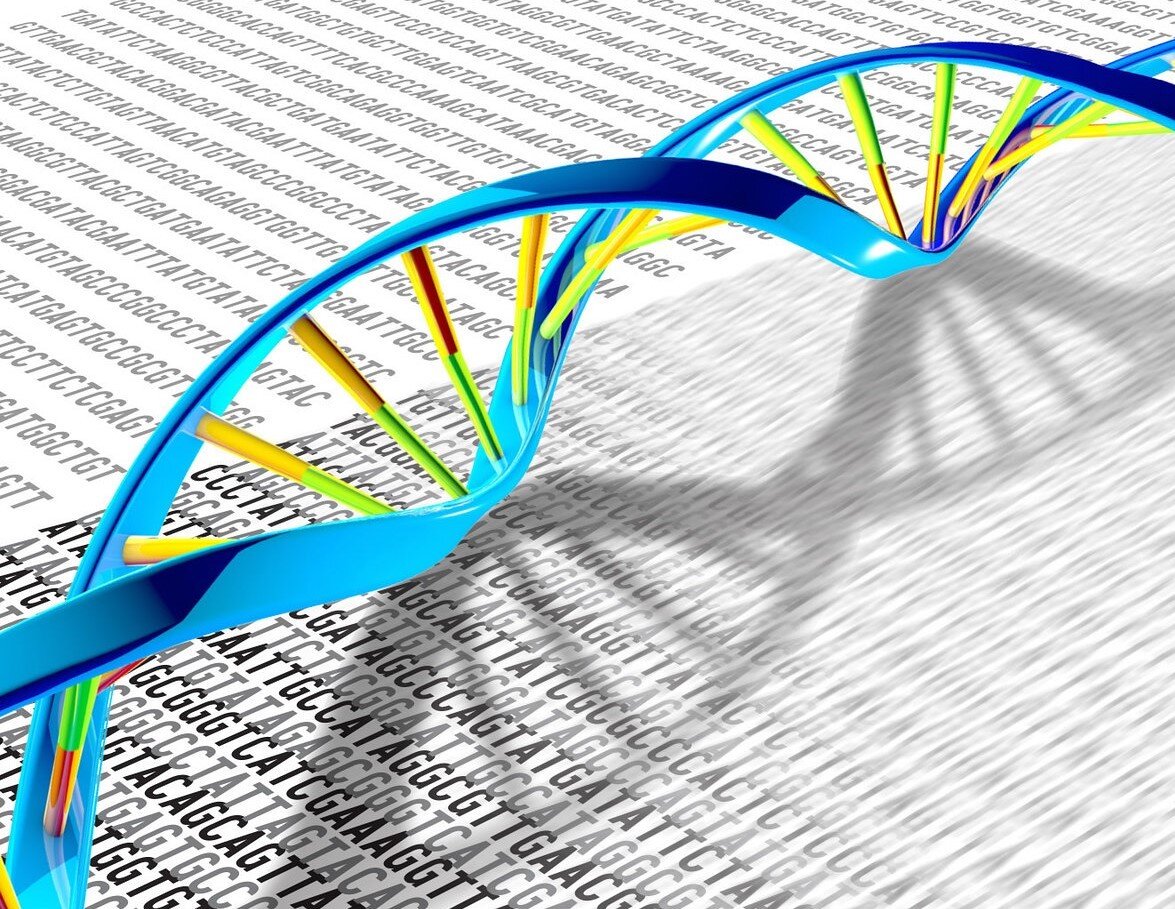
The future of healthcare relies on personal genomics. Personal genomics is the analysis of individual genomes and then handing over the genome information to the individual. Sequencing the human genome is one of the remarkable advancements in the realm of medicine.
Having your genomic information is like having your body’s instruction book. Genomic sequencing helps to understand your body’s genetic composition, which is essential in making medical decisions.
Remote Monitoring Tools
Many health care problems can be prevented through monitoring our health at home. Remote monitoring tools help people be in charge of their health and minimize unnecessary visits to the doctor. These devices are mainly used by heart disease patients to monitor their health conditions and send the data to a remote healthcare center. The remote tools help doctors continually monitor patients’ health from a distance, thus reducing traffic in hospitals.
Technology advancement in the medical sector has introduced numerous lifesaving procedures and improved overall healthcare. Centralization of patient’s medical history data is also beneficial to scientists as it helps them study trends and innovate medical breakthroughs swiftly.