
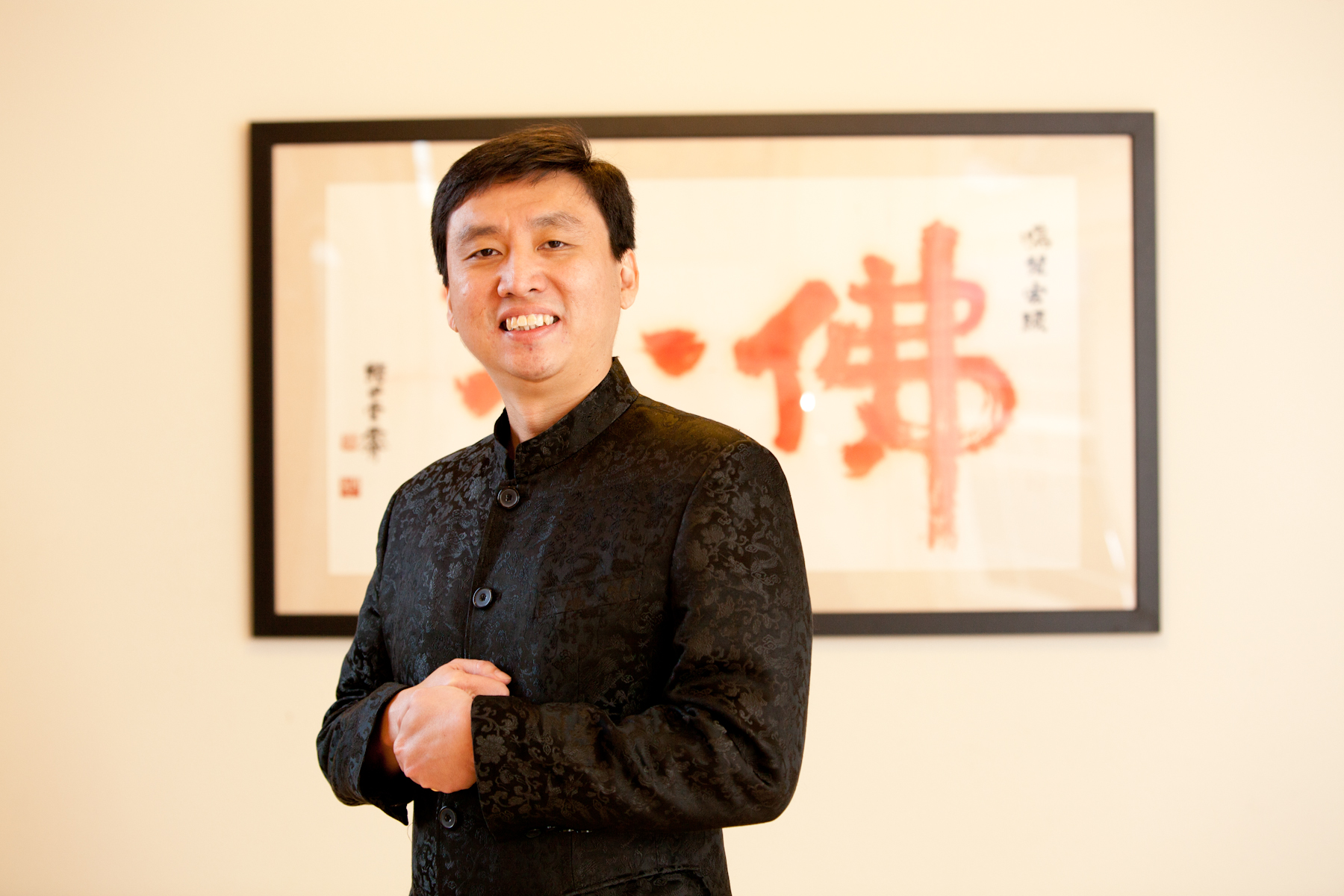
Tech giant Google promoted Chade-Meng Tan a software engineer to a new role named “Jolly Good Fellow”, this changed his career and the entire working culture at Silicon Valley.
Chade-Meng transformed from creating mobile search applications to using his motivational qualities to increase happiness across the organization. His cheerful nature made happiness his occupation.
However, Google are not the sole company to employ an enforcer of employee contentment. When Google was growing, French fashion brand Kiabi, employed Jutard Christine as the “chief happiness officer”(CHO). She was among the first to serve as a happiness officer.
The moment Google adopted the happiness officer post, employee happiness became a key benchmark, and other companies adopted the viewpoint. After three years of Meng’s appointment, McDonald promoted Ronald McDonald from the fast food franchise mascot to Chief happiness Officer.
The CHO role remains very popular in companies today. According to LinkedIn, there are more than a thousand happiness officers registered on the job website. On the other hand, employee happiness in most companies is not looked at keenly.
Correct investment
The theory states that productive employees are happy employees, and happy employees generate more profit for a company. Another benefit of happy employees is that they don’t look to jump ship.
This minimizes recruitment costs, which further increases profits.This means that, most organizations are investing heavily in developing a happy culture which later on translate to good returns on investment.
A good example is Expedia, which provides up to 14,000 US dollars per year in travel perks per person. Other companies offer free food, unlimited vacations and even office toys to keep the happiness levels high.
On the other hand, employee happiness is not in form of Ping-Pong tables and bean bags. In the case of Expedia, it is part of the company’s career opportunities and work culture that have made it one of UK’s most popular places to work.
Promoting well-being
There is a significant difference between working in a well-being environment culture and happiness schemes. A company that values its employees, manages them using reward and praise rather than fault finding and provides flexibility between work-life balance. According to research well-being is among the real keys to happiness.
In 2017 a study conducted on start up businesses show that 57% had at least one remote employee, who either worked from home or whenever they want to work. Companies that were surveyed said this was a strategic choice. Most companies have already noticed that the right person for the job might not be a local, or not enough office space.
The added advantage is that, the autonomy and implied trust to work remotely contributes more to the employee happiness that pinning the down in an office stocked with fruits and free coffee.
Different personalities
Research also highlights that an employee’s happiness is determined by their personalities. In a study conducted on 3,200 employees from different sectors and organizations, done by Robertson Cooper Ltd. The study conducted by the workplace consultancy they set up, indicated that some personality types experienced good days at work than others.