
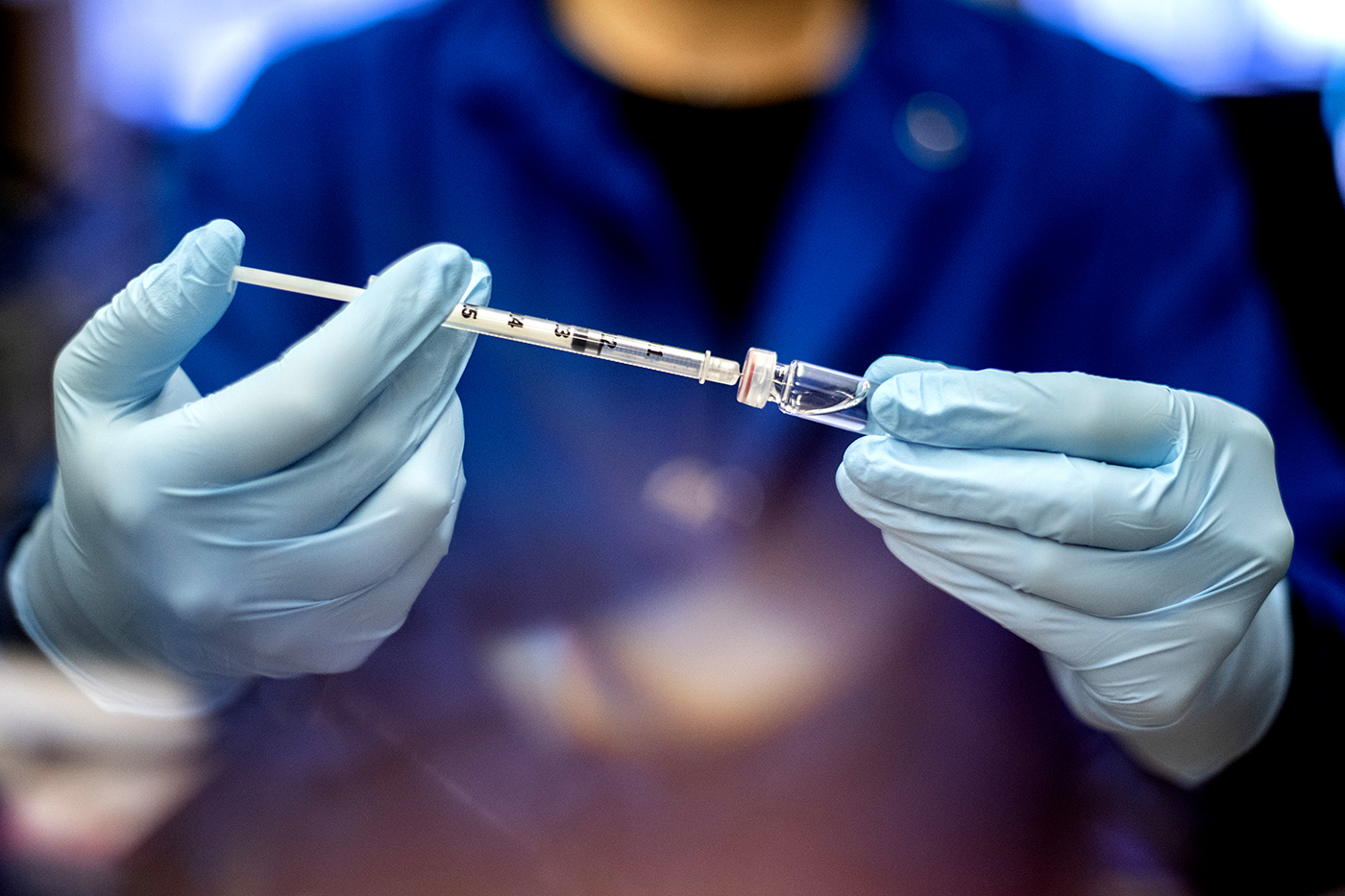
The news about the existence of a covid-19 vaccine was received with joy and skepticism. Most people are uncertain as to the safety and efficiency of the vaccine. Many are unwilling to get the shot once the CDC approves it due to the concerns raised around the side effects and vaccine development speed.
Boosting Confidence in the COVID-19 Vaccines
With most people, including health care workers, citing their unwillingness to receive the covid-19 vaccine, ACIP members believe these fears could be averted with education campaigns. The fact that the vaccines were developed quickly is credited to the impressive and extraordinary advances in science. Now things that took years can be completed within months without compromising safety.
Pfizer and Moderna have conducted trials that have proved that the covid-19 vaccines are safe and effective. With a 95% efficiency rate in infection prevention, people can stop worrying about the vaccines’ safety.
Why Crushing the Skepticism Is Important
Priority should be given to eliminating any doubts concerning the vaccine’s safety and efficiency, as this will help prevent the virus’s further spread. A recent study shows that only 51% of Americans were willing to get the vaccine once it arrived. This data is alarming since it would take at least 75% to 80% of people to get vaccinated to protect the community against the virus.
Most Americans remain skeptical because they are worried about oversight since the vaccine was developed quickly. Others feel like political or financial reasons influenced fast vaccine development. However, these concerns are unfounded since vaccine approval is kept separate from political pressures and financial incentives.
How Transparent Is the Vaccination Approval Process
Vaccination approval is an independent and transparent process. Career scientists placed on the CDC and FDA committees scrutinize clinical trials. The Data and Safety Monitoring Board does its independent review. The vaccine maker is not involved in this process.
Once the FDA and CDC committees agree on the data, FDA officials issue an Emergency Use Authorization. After a EUA is issued, an independent expert committee from the CDC determines how the vaccine will be distributed.
Plans on the COVID-19 Vaccine Allocation
Fair allocation of the vaccine is a top priority. High-risk groups will be the first to get the doses. The CDC and other advisers plan to focus on health care workers, people with high-risk health conditions, other essential workers, and adults who are 65 years and older. Considering only 40 million vaccine doses could be available by December, there is debate on which group should be given priority since the number of people in those groups exceeds the vaccine doses.
However, more people are expected to get the vaccine at the beginning of 2021, provided people to change their attitude towards the vaccines. The CDC stated that people should be prepared for the possibility that they may feel unwell after receiving the dose, which should not be a course for concern since the vaccine is supposed to bring about an immune response. Vaccine acceptance could be the key to winning the war against the covid-19 virus.