
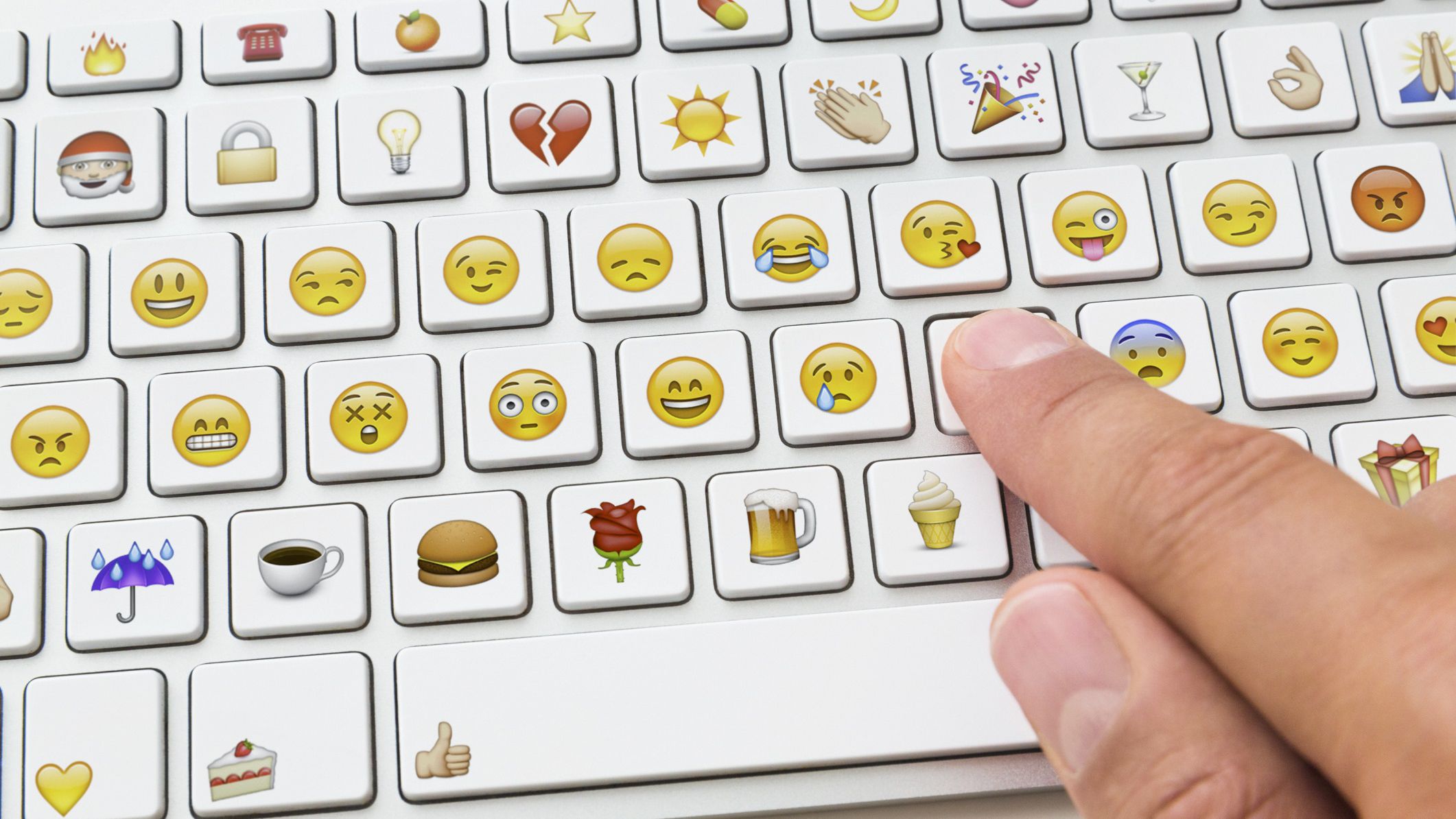
Emojis are more than just digital icons; they are a means of communication. In our current society, every individual with access to a smartphone has experienced these cute mini-pictures. Even though a larger percentage of us depend on them daily, we are not familiar with their evolution story. This article brings you a complete history of emojis, from their introduction to their current standings.
The Concept Behind Emojis
The entire concept in the introduction of emojis was to ease communication. These digital characters, when used correctly, can substitute whole words and make a comprehensive data exchange. They cut down the typing effort and brighten up the mood with their colorful features. Currently, most age groups refer to them as a language.
The Evolution of Emojis
In 1999
It was in the year 1999 that emojis were first introduced to the world. What fueled this spectacular invention was the engineers need to develop an attractive and straightforward interface to pass information. The first set consisted of 176 characters which included icons representing the weather, traffic and technology. To date, this set is a permanent collection in the museum of Modern art in New York.
In 2010
There were no significant advancements to the first set of emojis until 2010 when Unicode decided to integrate the system. After their introduction, competing mobile companies also adopted the system to reduce their competitive advantage. The only milestone left was to integrate these characters into a computer system.
Unicode standardized all computer systems to feature similar output options. It was a move to give way to the accessibility of these characters to every machine, and introduce additional emojis. At this stage is where the cat faces bearing human emotions hit the scene.
In 2015
The year 2015 holds tremendous shifts to the norm of life in the world. At this time, we came to observe an additional set of same-sex faces, with varying skin tones. It is also during this period that the politicization of these characters began. Countries brought claims of their flags being wrong, others of cultural infringement.
With every complaint, Unicode tried their best to attend to every party’s concern. It was at this period that Apple integrated them into their system.
In 2016
The emoji set also faced minor changes in 2016. These changes include a lady lifting weights, a single dad character and the pride flag. By now, emojis were present on every running keyboard system, including apple.
In 2017
2017 was the year when the proposal of these characters to convey information across cultural and language barriers. For example, a mosquito icon ideally represents the animal. However, with these adjustments, it can mean not only the animal but also malaria.
Every batch of emojis released was solely based on customer feedback directed to Unicode. Following the same concept, emoji users still can decide how they would like the next collection to look. All you need is a sketch and a reason why you would use it.