
Every new day brings with it new technology and an opportunity for business and development advances and improvements. This can happen through the creation of entirely new technologies or through enhancements to those already in existence.
It can be difficult to keep up with all the latest advancements, as over 20,000 developers are working on over 5,000 different types of technology start-ups worldwide. To help you out, here are seven technologies that could end up transforming your business.
1) Blockchain
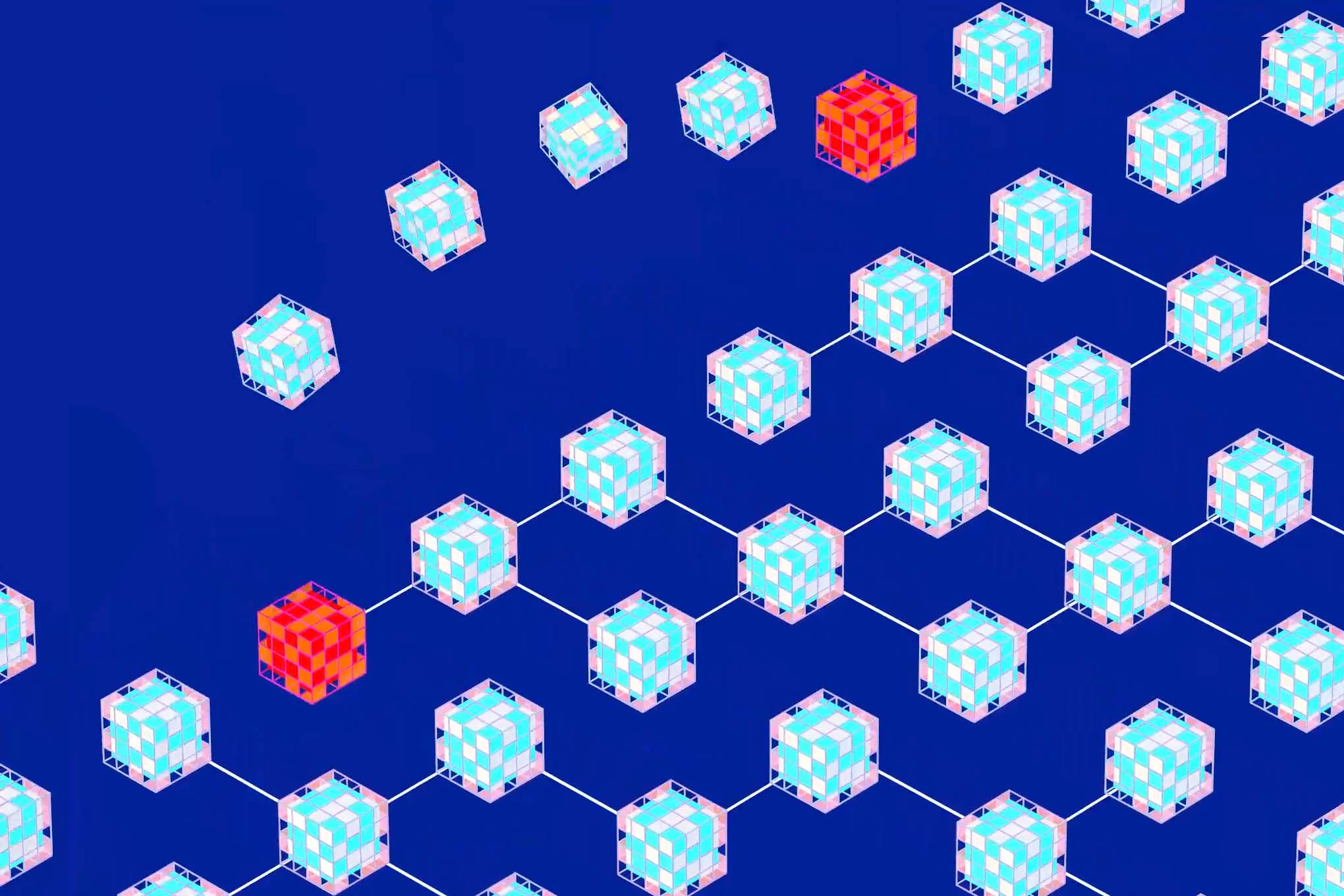
The decentralized digital ledger behind the cryptocurrency, Bitcoin, is one of the technologies likely to have a huge impact on businesses. Blockchain provides opportunities for smart contracts that are accessible by Internet-connected devices and has helped produce new currencies like Monero or Zcash while removing barriers between peers through its distribution network. The technology could end up revolutionizing stock markets and reward schemes while also offering a safe way to automatically execute business contracts without the need for any centralized authority.
2) The Internet of Things (IoT)
In its simplest form, IoT is about connecting electronic devices over the Internet, providing new opportunities for tracking and monitoring. This could mean that items such as machinery or other equipment can be tracked and maintained automatically from a business perspective. The technology also opens the door for other types of communication between devices, such as driverless cars that communicate directly with other vehicles to share power and cut down on pollution.
3) Wearable technologies
With a market value expected to reach $40 billion by 2025, wearable technology is becoming a major part of modern life, and many companies are now investing in its development. From fitness trackers to augmented reality headsets, it’s becoming more common for businesses to embrace the idea of integrating wearable devices into their brand image or providing them as incentives for employees.
4) 3D printing
3D printing has been around since 1984 but has recently become a lot more affordable. In the past, 3D printing was mostly used for creating prototypes of products before they went into full production. However, some companies have taken to using it on a larger scale and are already reaping some impressive rewards. This includes Airbus, which plans to use 3D printing in the construction of planes to help reduce costs and make them greener and medical companies that plan to use 3D printing for creating prosthetics.